
Ken Miyagishima
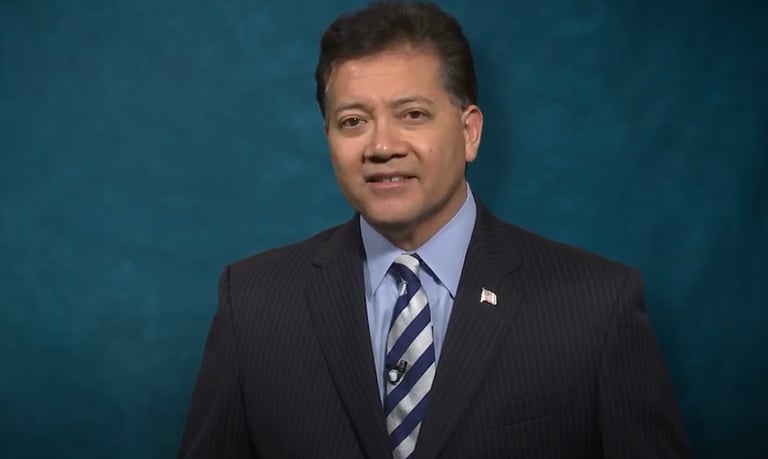
Ken Miyagishima is one of the Democratic candidates seeking to lead New Mexico. With a long tenure in local government and a reputation as a steady hand in Las Cruces politics, he brings both experience and controversy into the race. To understand his potential as a statewide leader, it’s worth examining his record, achievements, and criticisms in detail.
Background and Career
Early Career: Miyagishima began his public service on the Doña Ana County Commission, where he made history as the first New Mexican of Japanese descent elected to office.
City Council: He later served on the Las Cruces City Council before becoming mayor in 2007.
Mayor of Las Cruces: He went on to serve four terms, from 2007 to 2023, making him the longest-serving mayor in the city’s modern history.
Legacy: His leadership spanned a period of growth and modernization for Las Cruces, the state’s second-largest city.
Achievements and Strengths
1. Stability and Longevity
Miyagishima’s four consecutive terms demonstrated significant voter trust. Longevity in local office is often seen as a sign of consistent leadership, stability, and ability to navigate political change.
2. Infrastructure and Civic Development
Oversaw the construction of Las Cruces City Hall (2009), a Convention Center, and an Aquatic Center.
Supported downtown revitalization projects, boosting the local economy and cultural life.
Secured funding for electric buses and sustainable transportation.
3. Education
Miyagishima has highlighted improvements in high school graduation rates in Las Cruces as one of his proudest accomplishments. He worked with local schools and civic leaders to support programs aimed at keeping students in class and on track to graduate.
4. Sustainability and Clean Energy
Established the Sustainability Office in Las Cruces to integrate environmentally friendly practices in city operations.
City Hall was built to LEED Silver certification, with solar panels installed on parking facilities.
Supported national clean energy policies, joining hundreds of U.S. mayors opposing the repeal of the Clean Power Plan.
5. Representation and Diversity
As the first Japanese-American to hold elected office in New Mexico, Miyagishima’s political career represents a milestone in diversity and inclusion. His leadership broadened representation in a state with a complex cultural and ethnic identity.
Criticisms and Weaknesses
1. Police Oversight and Accountability
Las Cruces went nearly 10 months without an external police auditor, leaving no independent oversight of internal investigations.
Miyagishima opposed creating a civilian police review board, arguing conflicts of interest in a smaller community. Critics say this weakened transparency and accountability.
2. Crime and Repeat Offenders
During his tenure, crime remained a concern in Las Cruces.
He frequently criticized state bail reform laws, saying they allowed repeat offenders back on the streets. Critics argue this was more blame-shifting than problem-solving, and that local reforms or investments in prevention could have been pursued more aggressively.
3. Housing and Affordability
Rapid population growth in Las Cruces outpaced affordable housing supply. While this is a common challenge in expanding cities, critics say Miyagishima’s administration could have done more to address housing costs and long-term planning.
4. Limited Statewide Reach
Most of Miyagishima’s experience is local, centered on Las Cruces. Critics question whether policies that worked in one city can be scaled to fit New Mexico’s diverse landscape—rural areas, tribal lands, and cities with very different economies.
5. Public Safety vs. Community Balance
Some activists argue that Miyagishima leaned too heavily on law-and-order solutions (police, detention) rather than addressing deeper causes of crime such as poverty, mental health, and youth programs.
6. Oversight Gaps in City Government
Beyond police accountability, critics point to delays in filling oversight roles and ensuring external review mechanisms were always active. These lapses, even if temporary, damaged public trust in city government.
What It Means for New Mexico
Ken Miyagishima brings executive experience, proven infrastructure development, and a record of stability to his campaign for governor. His leadership in Las Cruces shows he can manage growth, advocate for clean energy, and push education forward.
But his record also has significant blind spots: questions of oversight, criticisms of being more reactive than proactive, and uncertainty about whether his city-focused policies can scale statewide.
⚖️ Conclusion:
Miyagishima is best described as a steady city leader with a strong record in infrastructure and sustainability but weaknesses in oversight and state-level vision. Supporters see him as a pragmatic problem-solver with deep executive experience; critics worry his leadership style may not address New Mexico’s most pressing systemic challenges.